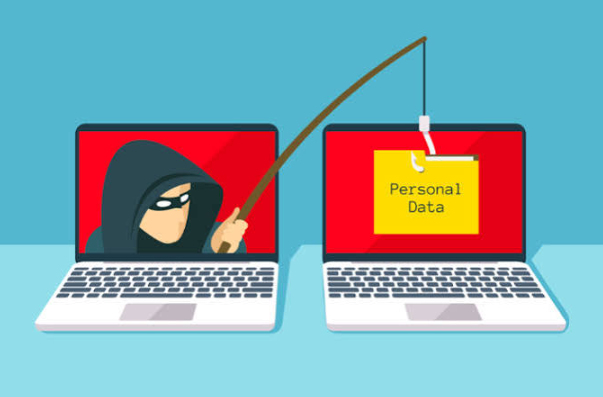

Cryptocurrency phishing attacks exploit trust and urgency, making vigilance essential. Analysts note that deceptive prompts, social engineering, and fake interfaces imitate legitimate wallets or exchanges to harvest credentials. Consistent sender details, legitimate domains, and UI integrity are critical cues, while unusual requests or pressure to act should trigger skepticism. Verification of sources and safeguarding keys remain foundational. The discussion proceeds by examining recovery, reporting, and fortified defenses, inviting further scrutiny of practices and controls.
Identify Crypto Phishing Tactics
Phishing in the cryptocurrency ecosystem employs a range of deceptive tactics designed to impersonate legitimate services, solicit sensitive data, or lure users into fraudulent transactions. Identify Crypto Phishing Tactics analyzes how misleading prompts and social engineering manipulate choices, while noting the rise of fake wallets and counterfeit interfaces. Vigilance, verification, and corroboration reduce exposure to credible-seeming but malicious solicitations.
See also: How AI-Powered Search Engines Interpret User Intent
Spot Red Flags in Email, Websites, and Apps
Identifying suspicious signals across email, websites, and apps requires a disciplined, evidence-based approach that distinguishes legitimate requests from fraudulent ones. The analysis focuses on consistent sender details, legitimate domain alignment, and interface integrity. Practitioners should note irregular timing, unexpected urgency, and requests for sensitive actions.
Spot scams and detect spoofing by cross-verifying sources, maintaining skepticism, and documenting anomalies for independent review.
Verify Sources and Protect Your Crypto Keys
The first step in defending crypto assets is to verify sources and safeguard private keys with disciplined rigor. In this context, rigorous provenance checks prevent spoofed sites and counterfeit wallets.
The guidance emphasizes minimize exposure: verify sources, avoid sharing seeds, and protect keys by using hardware wallets, secure backups, and trusted, independent verification methods. Diligence preserves freedom through disciplined security practices.
Recover, Report, and Strengthen Your Ongoing Protections
To build on the safeguards established previously, this section outlines practical steps to recover from phishing incidents, report findings to relevant stakeholders, and reinforce ongoing protections.
It emphasizes methodical recovery, documenting indicators, and validating affected accounts.
It advocates transparent reporting, post-incident reviews, and incident metrics.
Essential elements include phishing awareness, user education, and disciplined risk-reduction practices for durable resilience.
Conclusion
In sum, the savvy reader knows phishing is exquisitely obvious only to the unsuspecting. Yet every clever trick remains endlessly fresh, so vigilance must be born anew each day. The conclusion, utterly reliable and not at all chilling: verify every source, protect keys as if they were priceless teacups, and treat urgency as a medical condition. If something smells off, pause, double-check, and report. After all, the digital world rewards caution—provided one refuses to forget it.