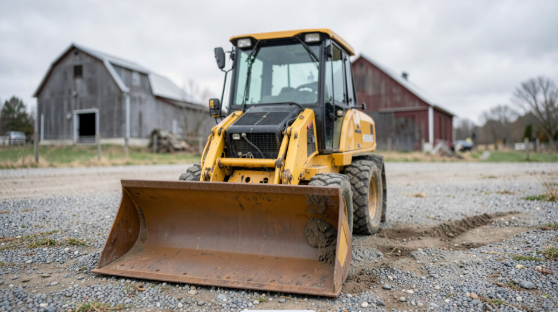

Your skid steer can lock an attachment in place. The match can still be wrong for the machine. Trouble often appears once work starts. Hydraulic performance can turn slow. The load can feel awkward in use. The machine feels less stable than it should near a fence line. Less stability shows around the barnyard.
Look through skid steer attachments Ontario before you settle on an attachment. That scan can show how different the demands can be. Demand levels shift from one tool to the next. A grapple or auger or hydraulic broom may connect in different ways. Each tool asks different things of the machine.
Why Fit Isn’t Enough
A mounting plate answers one question. It shows if the attachment connects to the loader arms. The plate says nothing about your skid steer’s hydraulic flow. The plate also skips operating capacity. Needed couplers stay unknown once the attachment is connected.
Begin with the attachment requirements. Horsepower alone cannot settle the question. Look over the mount type. Study the hydraulic flow rating. Note the rated operating capacity. Confirm the coupler style. Do this before buying or renting. Those details sit on the machine’s spec plate. The owner’s manual lists them too. Find them through the supporting dealer.
See also: Choosing Steel Grades for Cold Climate Builds
Your Mount Type
Mount systems fall into two broad groups. One is a universal-style plate. The other is a plate for a particular machine design. A universal plate can make attachment shopping easier. It does not make every attachment suitable. This holds for every skid steer that carries that plate.
Inspect the mount on the machine. Set aside any photo of the mount. Set aside any verbal description. Plate shape must agree between attachment and machine. Latch arrangement must agree too. Those connection points must agree. A closed latch can miss the intended seat. Do not trust that fit.
Use the same check every time:
- Read the attachment’s mount description.
- Compare it with the plate on your skid steer.
- Ask the seller to confirm fit for an uncommon mount.
- Check whether the proposed setup needs an adapter.
An adapter may bridge a mount mismatch. It changes the attachment position. The attachment sits in front of the loader arms. That affects more than convenience. This holds when the attachment already carries its own weight well ahead of the machine.
Hydraulic Flow Match
Hydraulic flow is the volume of oil your skid steer sends. It sends that oil to an attachment’s motor. Attachments that spin, sweep, drill, cut, or rotate depend on that flow. Too little available flow may run the attachment slowly. It may leave the attachment weak under load.
Check the owner’s manual for the hydraulic flow rating for the machine. Published specifications also list that rating. Match this rating to the attachment’s stated requirement. A hydraulic connection does not mean the needed flow. The attachment needs that flow in wet soil. Packed material brings the same need. A long day of spring fencing brings it too.
Flow is separate from the mount plate. A well-matched plate can pair with poorly matched hydraulics. You can get an attachment that won’t perform as intended.
Rated Operating Capacity
Rated Operating Capacity goes by the short name ROC. This figure helps you judge a skid steer load. It shows if the machine can handle that load. Stability should not drop too far. The figure still matters for a modest attachment. It matters on level ground too.
A heavy attachment can move the machine’s balance forward. This can happen before it carries any material. Uneven ground alters the skid steer’s feel. It can feel different near a ditch. Raising the loader arms to clear a wagon changes the feel.
Don’t use lift height as a substitute for operating capacity. Compare attachment weight with your machine’s published ROC. Account for material the attachment will carry. Account for material it will move during the job.
Hydraulic Coupler Fit
Hydraulic couplers are fittings. They join an attachment’s hoses to the skid steer’s hydraulic system. Coupler styles can differ. Flat-face fittings are one style. Older poppet-style fittings are another. Hoses that look close may still fail to connect.
Check the couplers before an attachment arrives on the property. Look at the fittings on your machine. Confirm the attachment’s hose ends. Ask whether the attachment needs a different coupler arrangement. Do that before harvest work or winter chores begin.
A coupler mismatch stops the job before it starts. Sorting it out ahead of time is far easier. Discovering it after a rented machine has reached the yard is harder.
Adapter Plate Tradeoffs
An adapter plate bridges two mount styles. It pushes the attachment farther ahead of the loader arms. The extra distance changes the leverage. Lifting ability can fall versus a direct mount. Breakout force can fall the same way.
Treat an adapter as a compromise. It is not a free fix. It may make sense without a direct-mount option. Attachment weight must still fit the machine you have. Altered balance must still fit that same machine.
Weight farther from the machine clarifies the tradeoff. Check the complete setup as a whole. Do not stop once the adapter lets the latches close.
Published Specs and Standards
Machine specifications aren’t random details printed to fill a manual. Industry equipment standards bodies support standards development through organizations such as ISO. This standards support is one reason. Published mount and equipment information deserves more attention than a quick visual fit check.
That doesn’t mean every attachment uses the same connection or hydraulic requirement. You compare the information on your machine with the information supplied for an attachment. The comparison is normal shop practice rather than guesswork.
The equipment manufacturers’ association represents construction and agriculture equipment manufacturers. It describes its work gathering data to support informed decisions. An attachment listing can leave out a requirement. Ask for the mount style, hydraulic needs, attachment weight, and coupler details before you commit.
Before You Buy
Start with the skid steer you already have. Ignore the attachment you hope will fit. Read the spec plate right away. Pull out the owner’s manual. Write down the mount type. Capture the hydraulic flow rating. Record rated operating capacity. Note coupler style before comparing options.
Then consider the full setup. Consider how it will work on your property. Include any adapter plate. Include the material the attachment will handle. Check the manual. Or ask the dealer. Confirm those four details before ordering.