
A drawing can call out a steel grade. An order can still go wrong. Material arrives without paperwork showing its identity. Northern Ontario cold service adds another buying-decision condition. Price alone should not settle the steel order. Availability alone must not settle the buy. Match the stated grade to the drawing call-out. Request the records before cutting starts. Resolve any mismatch prior to cutting.
Why Cold Service Changes the Math
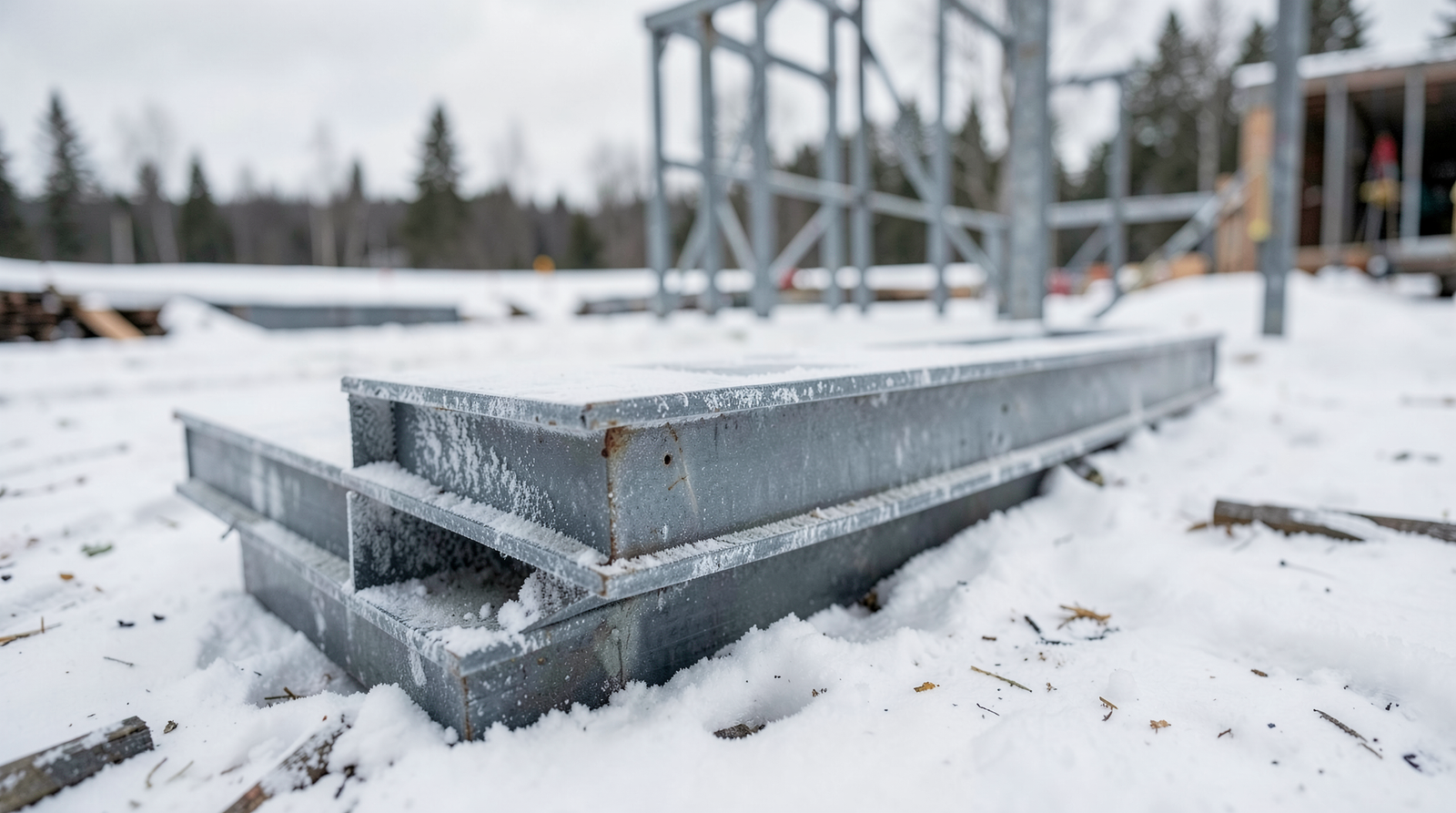
General loading tells only part of the story. A member may suit the loads on a drawing. Cold service still raises new questions. The selected material must last a Northern Ontario winter. Yard steel can look much the same. Looking the same does not make the pieces interchangeable. Project conditions can change the right choice.
Read the drawing as the first input. Capture the intended use with care. List the material identification in full. The required grade comes from the design requirements. Easy stock does not set that grade. Some jobs need an engineering review. The engineer of record must make the call. That call precedes the purchase order. Builders can compare regional options first. Review Northern Ontario industrial metal fabrication before settling a grade order. A fabricator can match order details to the requested work. The shop can flag an unclear call-out early. Act before steel reaches the cutting table.
See also: How Artificial Intelligence Is Used in Wearable Technology
Documents to Request
Ask the supplier for a mill test report with the steel order. It is also called a mill certificate. It records the material identification supplied by the mill. The buyer gets something concrete to compare with the order. No report leaves only an assumption. The buyer then lacks a record.
Set the certificate beside the grade call-out on the drawing. A grade call-out is the drawing notation. It identifies the required material grade or material standard for a member. Read the member description, thickness, and shape. Check notes that apply to that piece.
Keep paperwork with the steel through the order. A beam, plate, or hollow section may arrive poorly identified. Pause in that case before fabrication begins. Material gets harder to trace after cutting. Moving them makes tracing harder. Mixing into a job does the same.
Reading Material Notes
Check how the drawing describes each member. HSS stands for hollow structural section. The tube serves columns, frames and rails. It also serves other fabricated work. Close outside dimensions do not make another shape interchangeable.
Gauge also needs a plain reading. A common sheet metal thickness designation is gauge. The drawing should make required material clear. It should make required thickness clear. Do not fill a gap with an assumed substitute. The drawing and supplier paperwork use different descriptions.
Some drawings separate structural steel from lighter formed or sheet components. Treat those notes as purchasing instructions. They are not background detail. Doubtful wording needs clarification from the designer or the engineer. Get that clarification before a shop starts laying out parts.
Fabrication Checks
The fabricator needs the drawing call-out before ordering stock. Avoid orders after the material is cut. Do not place orders after fixturing. Fixturing means holding steel components in their required position before welding. Wrong material or section forces fixture rework. It can complicate the rest of the build.
A fabrication review will not replace stamped engineering. The review can still catch a missing certificate. A section description unlike the drawing can still be caught. Proposed substitutions without approval can also be caught. The shop can identify a conflict. The next action belongs to the person responsible for the design.
Ask the shop how it keeps material identification tied to the work. A plain reply will be enough. They should not treat the order, certificate, and drawing as separate pieces of paper.
National Reference Points
Canada has a national steel construction technical body. It issues design guides, codes, technical tools, publications, certification information. These resources serve the steel construction industry. Use this body as the first stop. The drawing raises a standards question. That question sits beyond the supplier’s order desk.
Use those resources to understand the framework around the work. Take the actual project question back to the engineer or qualified fabricator. A national resource can help frame the question. It cannot inspect a project drawing. It cannot approve a substitution from a distance.
Keep the document review practical. Match each certificate to the drawing. Review the supplier description against the purchased item. Insist on written approval for every change. These checks catch problems at that stage. The steel can still be identified.
Verifying the Weld
Material selection sits beside weld quality. A correct certificate does not fix poor fit-up. Certificates do not correct inadequate weld size. Weld penetration must meet drawing requirements. That term means fusion depth in the base metal.
Welding work rests on named code requirements for safety. Quality rules sit in those codes. Formal welding training built around national code requirements describes students learning to meet such standards. Steel selection is one part of finished work. Ask the shop who reviews weld procedures before fabrication starts. Ask who reviews inspection requirements then.
Find out how the shop handles mill scale. Mill scale means the dark oxide layer on hot-rolled steel. Preparation should account for mill scale. Fit-up should account for this layer. Do not discover it after welding begins.
Common Mismatches
Most purchasing errors don’t look dramatic at first. They show up as missing paperwork. They show up as a vague substitution. A material description seems close enough. Someone compares it with the drawing. Catch them before layout and cutting.
- The supplier provides no mill certificate for the steel delivered.
- The certificate identifies a grade that doesn’t match the drawing call-out.
- A supplier changes material during the order without written approval.
- The drawing identifies an HSS member. The order uses a different section description.
Stop once one of these appears. The person responsible for design decides the next action. That person reviews the discrepancy. Do not ask a fabricator to guess engineer intent. Guessing puts the shop in the wrong role. The contractor carries that risk. That risk could have been addressed before fabrication.
Before You Order
Selection of steel for cold climates starts with clear documents. Skip a grade chart from a search result. Read the drawing before the steel order. Request the mill certificate in advance. Compare the two before steel enters fabrication. Save the approved change in the project records. A phone conversation is not a substitute.
A fabricator can spot practical conflicts in an order. The engineer remains responsible for design decisions. Approved substitutions also stay with the engineer. This division is especially important in cold service project conditions. Ask for the drawing call-out before fabrication. Request the mill certificate before authorizing fabrication.