
Pizza dough is an art, and creating incredible dough from scratch can be tricky. From light, blistered crusts to crisp bases to layer all your favourite toppings on top of, there are many small errors in your dough making that can change everything.
Even when learning tips to make the best pizza in West Chester, you need to understand the basic science behind the dough. Places like The Tomato Shack Salad & Pizza Co, West Chester have perfected the balance.
Measuring by Volume Instead of Weight
This is the biggest issue most home bakers face. When using cups to measure flour, you’re actually adding 20% more flour than you should. This happens because you scoop directly from the bag and the flour compresses. This will cause a dry dough as there won’t be enough moisture for the dough to be elastic.
Fix: Weigh all of your ingredients using a digital kitchen scale. The hydration level of your dough will determine how fluffy your crust will be. By keeping a specific ratio you’ll ensure your dough has enough water in it to create steam whilst baking. The steam creates air pockets in the centre of your crust.
See also: How Artificial Intelligence Is Used in Wearable Technology
Incorrect Type of Flour
All-purpose flour can be used but the protein content is medium which means the dough will be light and cake-like. However, if your flour doesn’t have enough protein it will create a floppy dough that won’t support the weight of any heavy toppings.
Fix: Choose a high-gluten flour. This will give you a chewy American crust. Or choose Italian imported ’00’ flour for a high heat Neapolitan pizza. Alternatively, the ’00’ flour will create a strong dough and works well with high heats to create the desirable leopard spot effect.
Not Allowing to Ferment Properly
If you rush this part of the process, you’ll end up with a dough that lacks flavour, digestibility and elasticity. Yeast needs to eat the complex sugars and create carbon dioxide. The dough will be very yeasty and have no depth. If you look at how the best pizza in West Chester is made you realise how important patience is.
Fix: Allow your dough to ferment in the fridge. Cover your dough and leave in the fridge for between 24-72 hours. This will give the enzymes time to break the starches down into simple sugars. This will allow the dough to become more digestible and have deep savoury flavours. It will now have a slight tangy flavour.
Underkneading or Overkneading the Dough
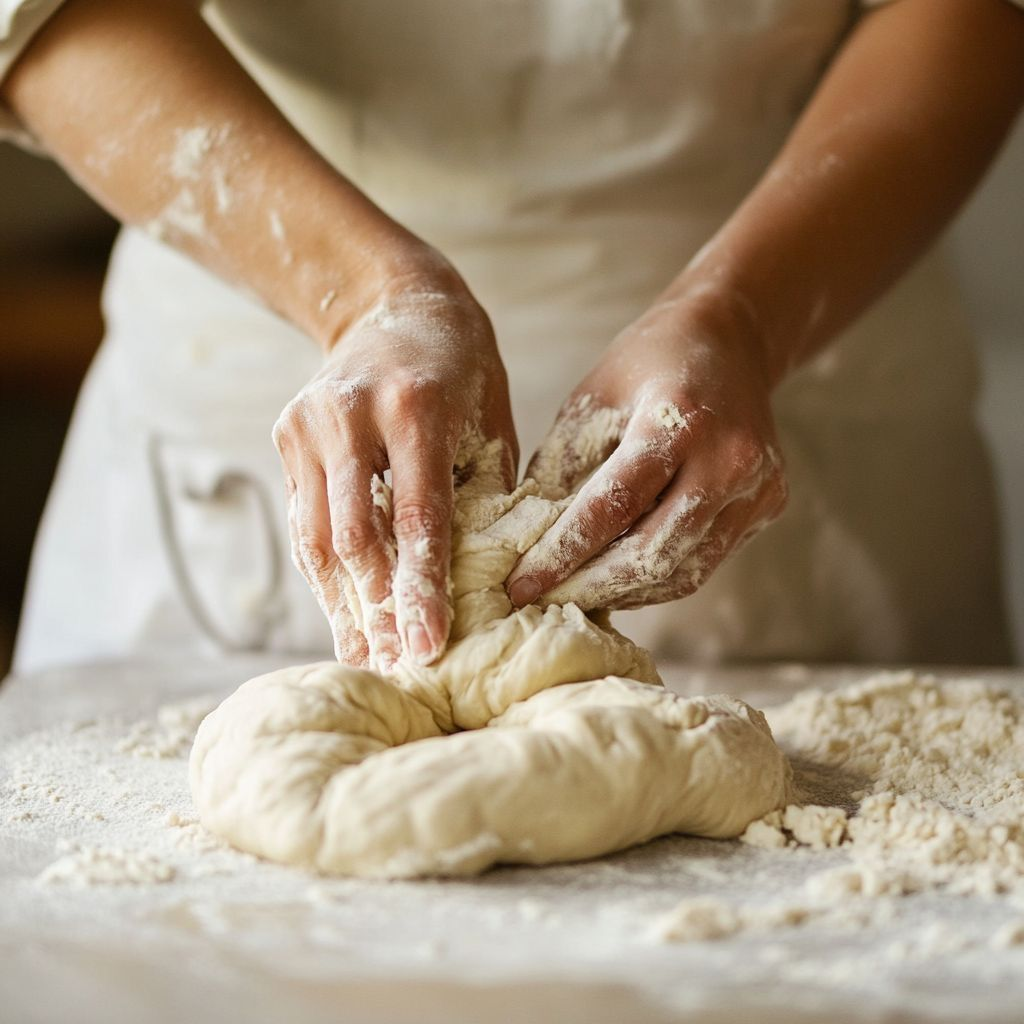
If you don’t knead your dough enough, the gluten won’t develop so much and the dough will tear easily and not have enough bubbles. If you over-knead your dough, especially in a high speed mixer, the gluten strands will become too tight and elastic creating a dough that is very rubbery.
Fix: Knead your dough just until you have a smooth ball. Check your dough has developed good gluten strands by using the windowpane test. Take a little bit of dough and gently stretch between your fingers. If you can stretch it really thinly so light shines through then your dough has developed good gluten strands.
Stretching Cold Dough
Trying to stretch cold dough straight from the fridge will cause instant frustration. The gluten strands will be tight and will not move. Forcefully stretching the dough into a round shape will cause the dough to snap back or tear in the middle.
Fix: Always allow the dough balls to come to room temperature for at least 2-3 hours. This will allow the dough to become soft and elastic, as the fats and proteins will begin to relax.
Using Rolling Pin
Using a wooden rolling pin will ruin the structure developed during the long fermentation process of your pizza crust. The pockets of air in the dough become squashed by the rolling pin leaving you with a very flat, dense dough that will produce a very tough crust with no airiness at all.
Fix: Use your hands to shape the dough. Push the dough outwards from the centre so the gas moves to the edge. This will create a nice crust edge. Gently fold the dough over your knuckles and let the dough stretch.
Baking at a Low Temperature
Not controlling the temperature properly will cause your dough to not reach its full potential. Putting your pizza straight onto a normal baking tray will cause the dough to be pale and damp. To achieve the texture of the best pizza in West Chester, you need to make sure your oven is as hot as possible.
Fix: Preheat your heavy pizza stone or pizza steel. Leave it in the oven for at least 1 hour at the highest temperature. This will create a hot steel which will transfer the heat quickly to the base of your dough. This will cause the dough to expand with steam creating oven spring. The dough will now have lots of moisture locked inside, creating a crisp base.
Under-Proofing or Over-Proofing the Dough Balls
Proofing is the last step of the dough. After shaping the dough into balls, the yeast will continue to create gas. If the dough has not been proofed long enough, there won’t be enough air pockets inside and the dough will be heavy. If the dough has been over proofed, all the sugars will have been eaten and the gluten strands will have stretched far too much.
Fix: Use the poke test. Gently poke the side of your dough ball with a floured finger. If it bounces back instantly you need to leave it longer. If it doesn’t move at all and collapses then it’s over proofed. Watching how it expands will give you full control to create that light, soft texture.
Conclusion
Understanding the structure of pizza dough will take your home baking to another level. By weighing your ingredients, using the correct flour, allowing long cold ferments, warming your dough, using your hands and baking on a hot surface you’ll avoid any friction that may be holding you back.